In the early years (ages 4–6), children learn the basics, recognizing feelings, naming emotions, and calming their bodies with adult support.
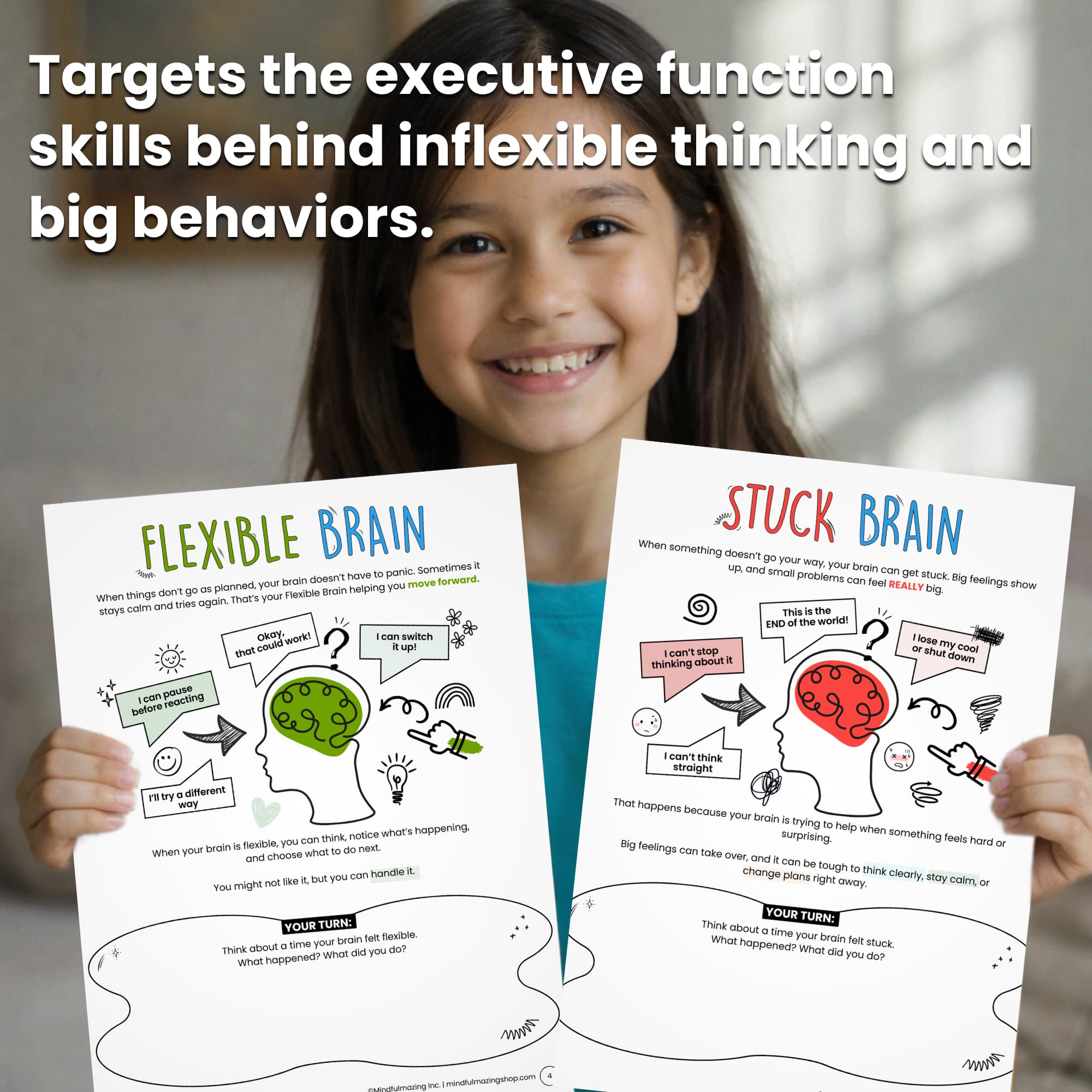
Between ages 7 and 10, those early skills begin to grow into real coping tools. Children start noticing patterns in their emotions and becoming more aware of how their thoughts influence their feelings.
At this stage, emotional learning shifts from recognizing feelings to actively using coping strategies.
Children begin learning to:
• Notice emotional triggers
• Pay attention to thoughts and self-talk
• Use calming strategies during big emotions
• Solve problems when challenges arise
• Communicate feelings more clearly
This is where emotional awareness begins turning into real-life coping skills.