Skip to content

Cart

Your cart is empty

The Flexibility Years

Ages 10-12

Preteens want more independence. They care deeply about fairness and want greater control over their world. At the same time, the ability to think flexibly and manage frustration is still developing.

Thinking can become rigid, transitions may feel harder, and peer dynamics often become more intense. Big emotions may be hidden — or appear suddenly and strongly.

This stage is a critical bridge between childhood and adolescence.

If you’re seeing power struggles, shutdown behavior, explosive reactions, or difficulty handling change, it’s often a sign that flexible thinking skills need to be taught and practiced.

At this stage, preteens are learning to:

• Manage frustration without escalating
• Shift perspective
• Handle disappointment
• Adapt when plans change
• Communicate needs respectfully
• Take responsibility and repair after conflict

They are capable of deeper reasoning, but emotional reactions can still override logic. This is where flexible thinking becomes essential.
Your System for Ages 10-12

Inside the Emotional Wellness Vault, this stage focuses on strengthening executive functioning skills—especially flexible thinking.

1. Start Here - Teach Flexible Thinking

Flexiblity Kit for Kids

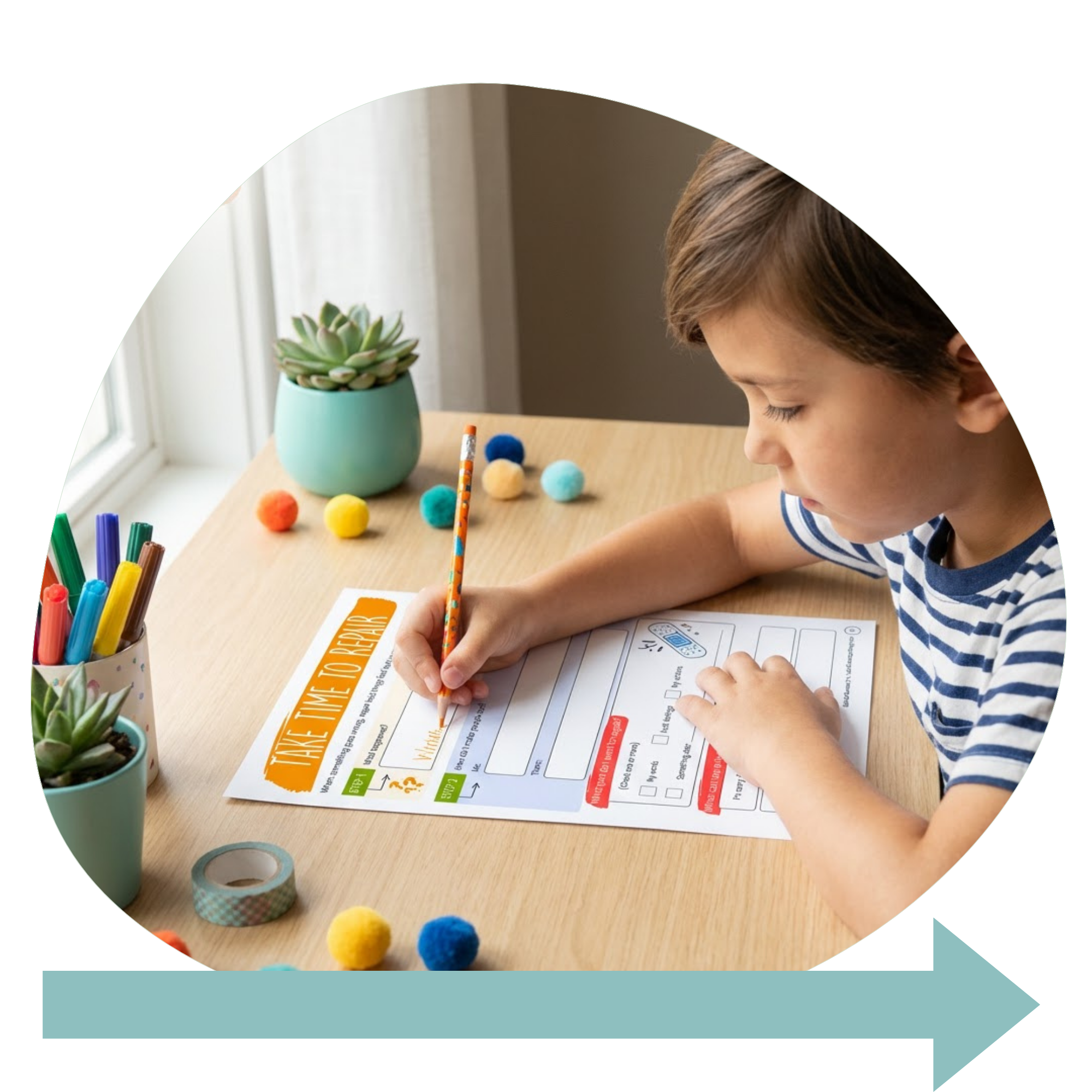
The Flexibility Toolkit is designed to help preteens develop the executive functioning skills needed to manage frustration, adapt to change, and navigate everyday challenges.

This structured program supports both preteens and the adults guiding them, with practical tools, guided activities, and caregiver strategies for handling the behaviors that often show up during this stage.

Preteens learn how to:

• Recognize rigid thought patterns
• Develop Plan B thinking
• Pause before reacting
• Shift perspective
• Solve problems collaboratively
• Respond thoughtfully instead of reacting impulsively

The toolkit also provides clear guidance for parents, educators, and therapists, helping adults understand what’s driving difficult behavior and how to support more flexible responses.

It’s about building mental flexibility.

When preteens learn to think flexibly, emotional intensity decreases, problem-solving improves, and everyday challenges become easier to navigate.

If you’re navigating power struggles, shutdown behavior, or strong-willed reactions, this is the place to start.

GET THE FLEXIBLITY KIT NOW
emotional wellness vault (2000 x 2000 px) (9).png__PID:8743b3c0-23da-49a6-a36a-8ec7c352f19b

Want the Complete Emotional Learning System?

Everything on this page — plus resources for older age groups — is included inside the Emotional Wellness Vault.

Instead of purchasing tools individually, the Vault gives you access to the full library of emotional learning resources for ages 4 through the teen years.

explore the emotional wellness vault

Why This Stage Matters

Between ages 11 and 12, thinking patterns become more established.

How a child handles:

• Being told “no” • Losing • Not going first • Change in plans • Social conflict

Begins to shape adolescent behavior.

Teaching flexibility now prevents entrenched, rigid patterns later. This is the bridge into the teen years.

Explore the Ages 11–12 pathway inside the Vault to build stronger thinking, steadier reactions, and long-term resilience.

Identity & Emotional Independence

Next Stage: Teens

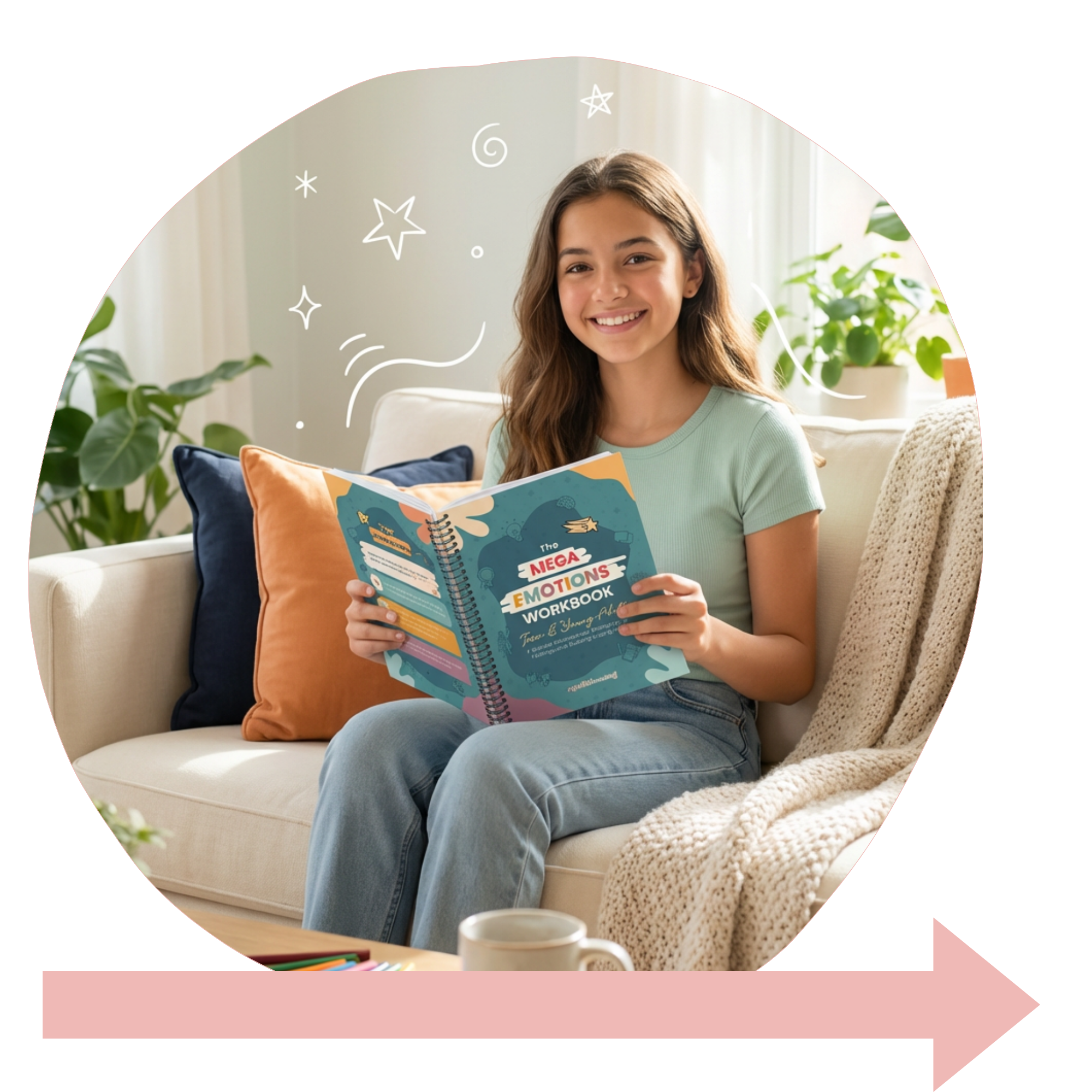
As kids enter the teen years, emotional development becomes more complex. Teens are forming their identity, navigating social pressure, and learning to manage stronger emotions while making more independent decisions.

This stage focuses on building self-awareness, healthy coping skills, communication, and personal boundaries so teens can handle real-life challenges with confidence.

Build Emotional Skills That Grow With Them

Not Sure Where to Start?

Start Where Your Child Is.

Ages 4-6

Learning to name feelings & calm the body, including:

  • Calm Down Corner
  • Feelings Charts
START FOUNDATIONS

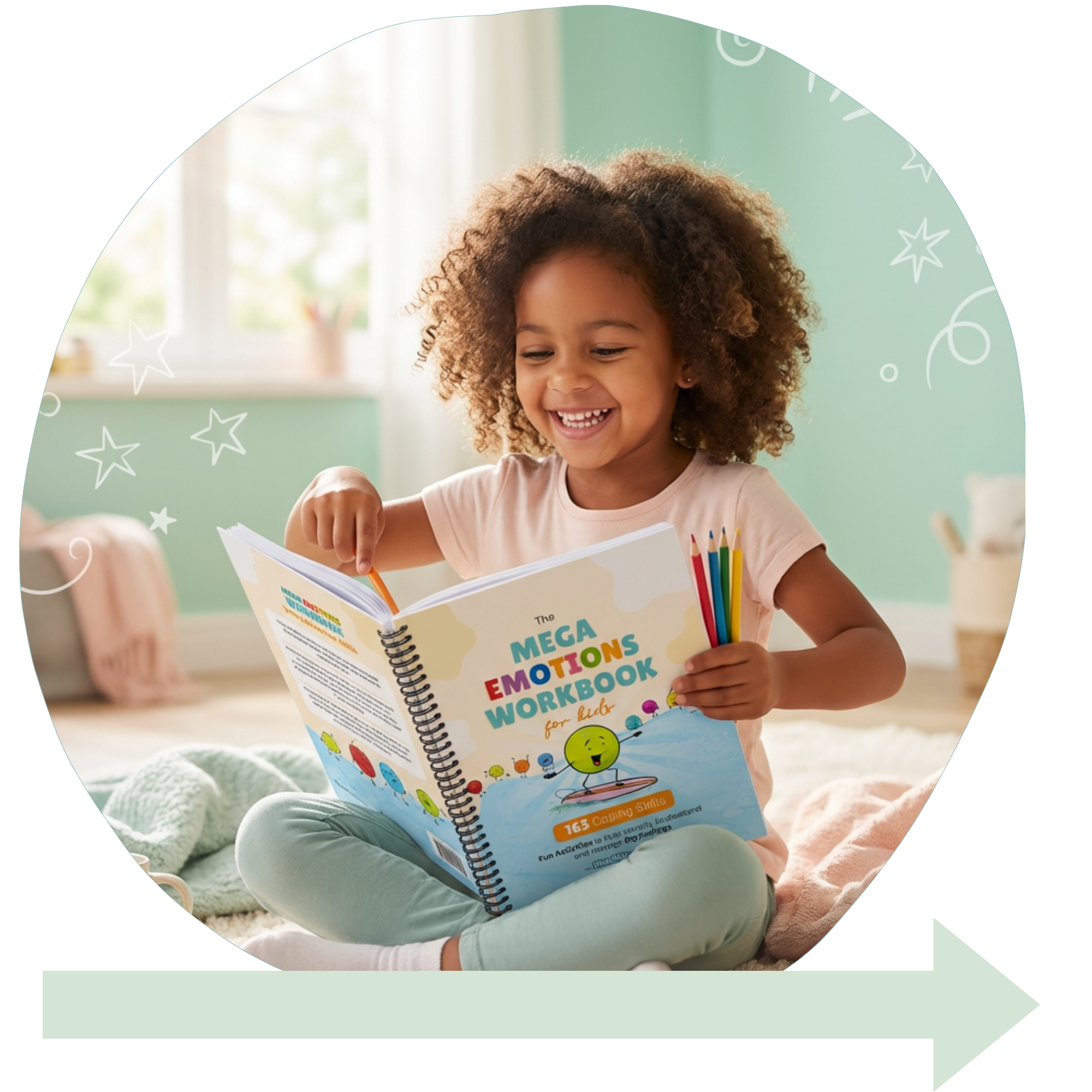
Ages 7-9

Connecting feelings, behavior & coping skills, including:

  • Mega Emotions Workbook
  • Coping Skills
BUILD COPING SKILLS

Ages 10-12

Handling frustration, change & problem solving, including:

  • Flexibility Toolkit
  • Plan B Resources
STRENGTHEN FLEXIBLITY

Teens

Managing stress, identity & emotional pressure, including:

  • Teen Mega Emotions
  • Teen Flexibility Kit
SUPPORT TEEN YEARS