The Skill-Building Years
Ages 7-9
In the early years (ages 4–6), children learn the basics, recognizing feelings, naming emotions, and calming their bodies with adult support.
Between ages 7 and 10, those early skills begin to grow into real coping tools. Children start noticing patterns in their emotions and pay more attention to their thoughts and self-talk.
At this stage, emotional learning shifts from recognizing feelings to actively using coping strategies.
Children begin learning to:
• Notice emotional triggers
• Pay attention to thoughts and self-talk
• Use calming strategies during big emotions
• Solve problems when challenges arise
• Communicate feelings more clearly
This is where emotional awareness begins turning into real-life coping skills.
Your System for Ages 7-10
We support this stage through two connected layers.
Mega Emotions → Growth Mindset
Each layer builds on the next.
Mega Emotions teaches children the core skills for understanding emotions, noticing thoughts, and using coping tools.
Growth Mindset then strengthens how children think about mistakes, challenges, and effort, helping them build resilience and confidence.

1. Start Here - A Step-By-Step Skills Program
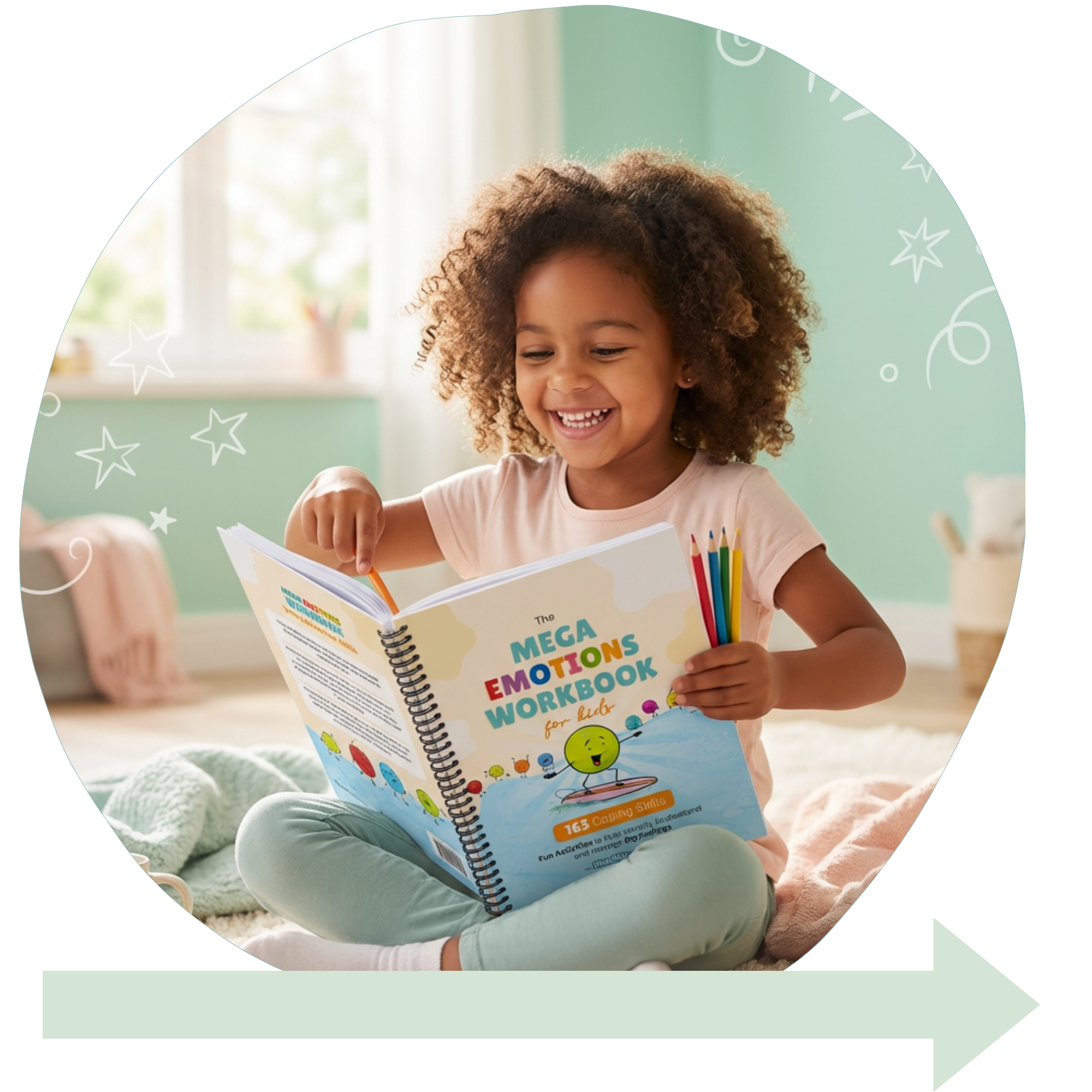
The Mega Emotions Workbook
The Mega Emotions Workbook is the core program for this age group. Through 10 guided missions, children learn the essential skills that help them understand and manage their emotions and develop and learn coping strategies.
Each mission teaches children how to:
• Understand and name their emotions
• Recognize triggers and body signals
• Reframe unhelpful thinking
• Calm their bodies during big feelings
• Solve problems and handle challenges
• Communicate clearly and respectfully
• Set healthy boundaries
• Build healthy daily habits
This award-winning program (NAPPA 2025 Product Award Winner) includes both the child workbook and caregiver support materials, making it easy for parents, teachers, and therapists to guide children through each skill step by step.
This is not a collection of worksheets. It is a structured emotional skill-building program designed to help children learn tools and practice using them in real-life situations.
If you're looking for a strong place to begin building emotional skills at this age, start with Mega Emotions.
2. Strengthen Emotional Mindset
Support Materials
As coping skills grow, a growth mindset becomes powerful.
These kits help children:
• Develop healthier self-talk
• Build emotional resilience
• Strengthen optimism
• Improve focus and emotional balance
Skill-building teaches regulation. Mindset work strengthens identity. Together, they create long-term resilience.
Confidence Kit
Build stronger self-belief and positive self-talk. Helps kids recognize their strengths, handle mistakes, and develop the resilience needed to face everyday challenges.
Gratitude Kit
Encourages kids to notice the positive moments in their lives. Builds appreciation, perspective, and emotional resilience.
Mindfulness Kit
Teaches kids how to slow down, focus their attention, and calm their minds. Supports stress management and stronger emotional regulation.

Want the Complete Emotional Learning System?
Everything on this page — plus resources for older age groups — is included inside the Emotional Wellness Vault.
Instead of purchasing tools individually, the Vault gives you access to the full library of emotional learning resources for ages 4 through the teen years.
Why This Stage Matters
During this stage, children begin applying emotional skills in more complex situations. Friendships become more important, social expectations grow, and kids face new challenges at school and with peers. They are learning how to handle frustration, solve problems, and manage their reactions in real time.
These skills strongly influence:
• Friendship success and peer relationships
• Confidence when facing challenges
• Emotional reactions during stress or frustration
• Problem-solving and decision-making
This stage is where children move from knowing about emotions to actively using coping skills in everyday life.
Explore the Ages 4–6 tools below to begin building a strong emotional foundation for your child, classroom, or practice.


Teaching Flexibility
Next Stage: Ages 10-12
As children move into the preteen years, emotional learning shifts again. Kids begin navigating more complex social situations, stronger opinions, and greater independence.
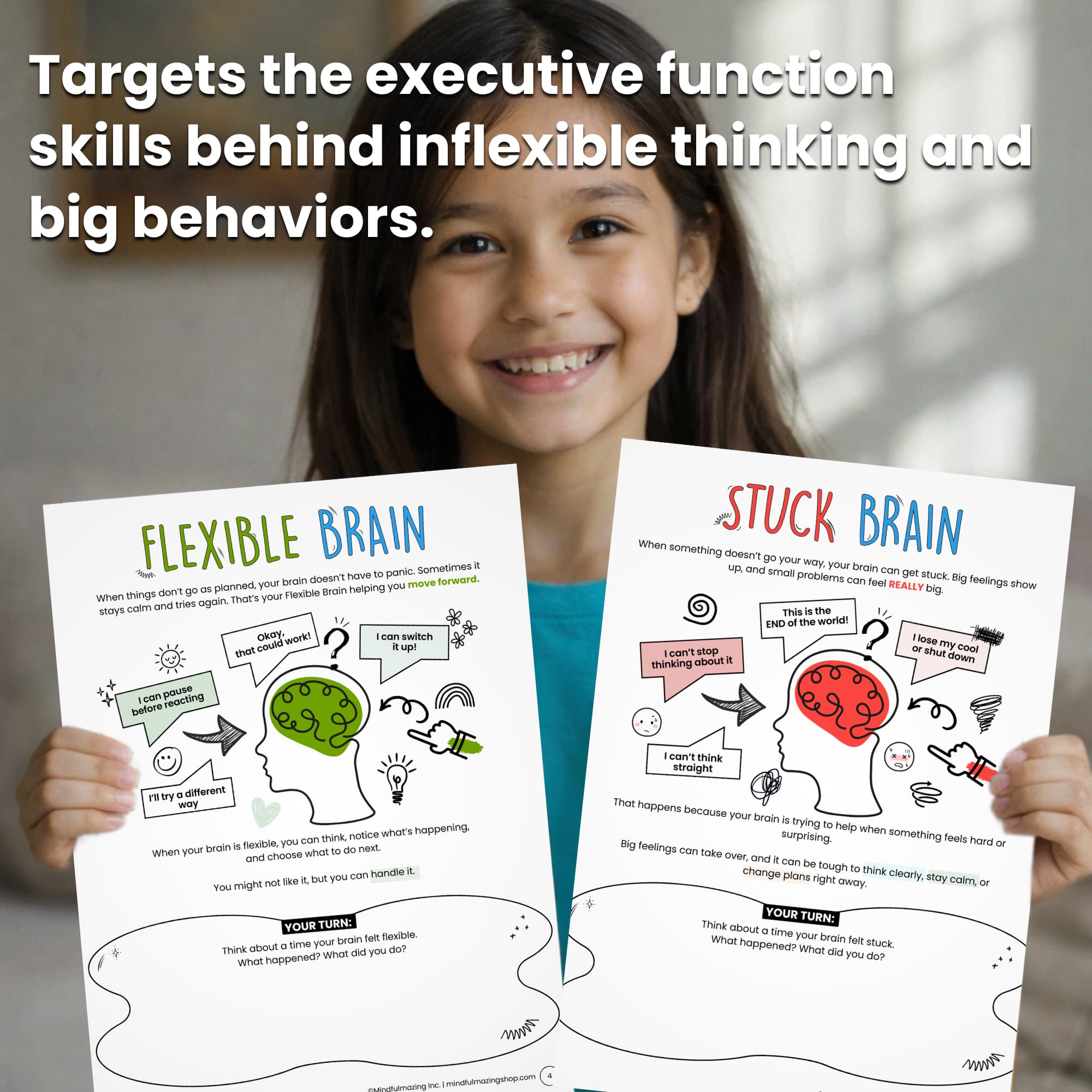
At this stage, the focus moves beyond coping skills to developing flexible thinking, perspective-taking, and stronger problem-solving skills so kids can adapt when things don’t go as planned and respond thoughtfully to challenges.
We’ve built a system to help preteens develop these skills step by step.
Build Emotional Skills That Grow With Them
Not Sure Where to Start?
Start Where Your Child Is.

Ages 4-6
Learning to name feelings & calm the body, including:
- Calm Down Corner
- Feelings Charts

Ages 7-9
Connecting feelings, behavior & coping skills, including:
- Mega Emotions Workbook
- Coping Skills

Ages 10-12
Handling frustration, change & problem solving, including:
- Flexibility Toolkit
- Plan B Resources

Teens
Managing stress, identity & emotional pressure, including:
- Teen Mega Emotions
- Teen Flexibility Kit