Skip to content

Cart

Your cart is empty

The Foundation Years

Ages 4-6

This is where emotional regulation begins.

Between ages 4 and 6, children are building the core skills that shape how they handle frustration, follow directions, build friendships, and recover from mistakes.

At this stage, impulse control is still developing, emotional reactions are fast, language for feelings is still emerging, and children rely heavily on adult support to regulate.

Children at this age are learning to:

• Name basic emotions
• Connect feelings to body signals
• Pause with support
• Follow predictable routines
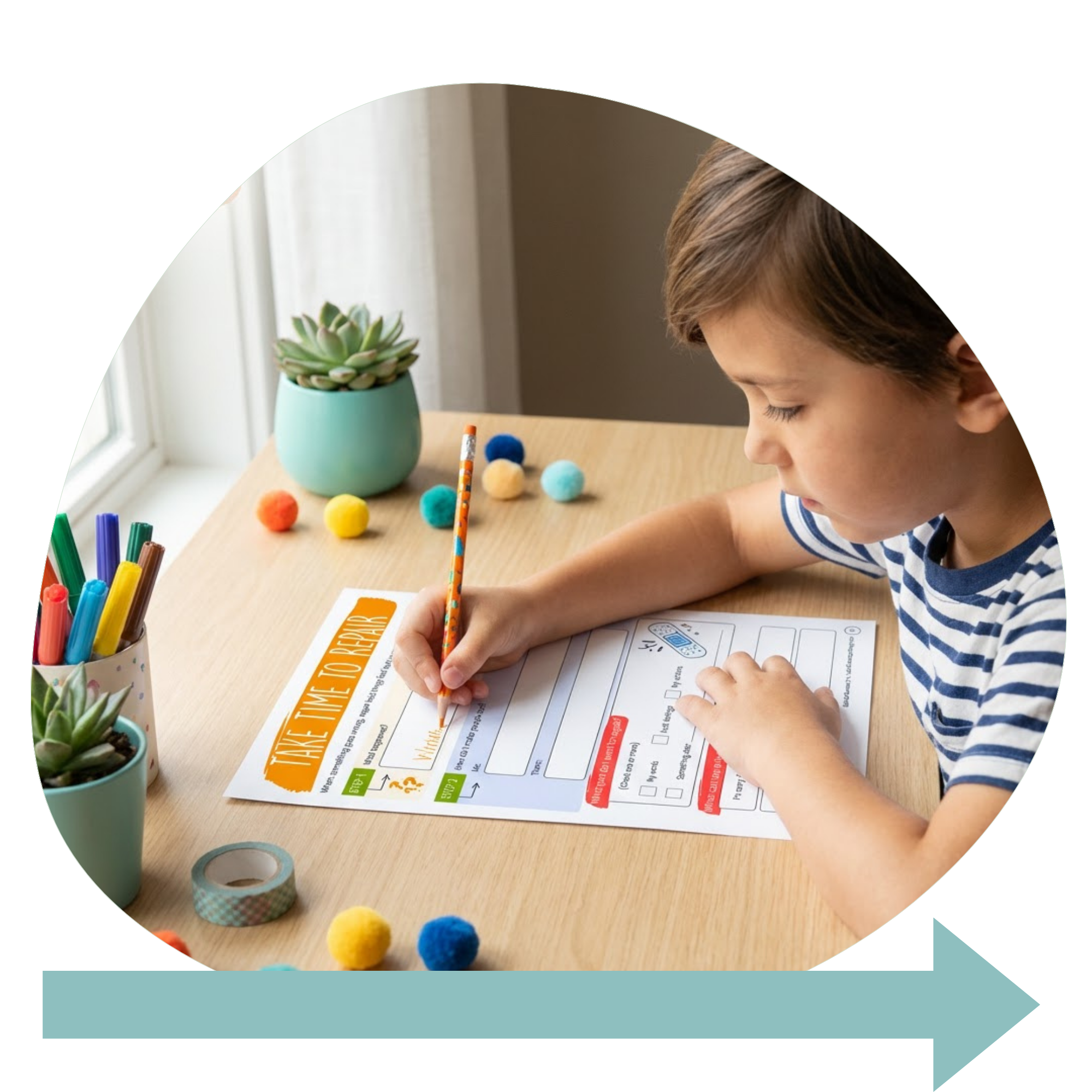
• Repair after conflict

These skills develop through intentional teaching, modeling, and consistent practice.

If you’re seeing frequent meltdowns, big reactions to small problems, or difficulty calming, this is the developmental window where emotional skills can be taught most effectively.

That’s why we built a system specifically for this stage.
Your System for Ages 4–6

We support this stage through three connected layers.

HeartSmart → Calming Corner → Reinforcement Tools

Each layer builds on the next.

1. Start Here - Teach the Skills

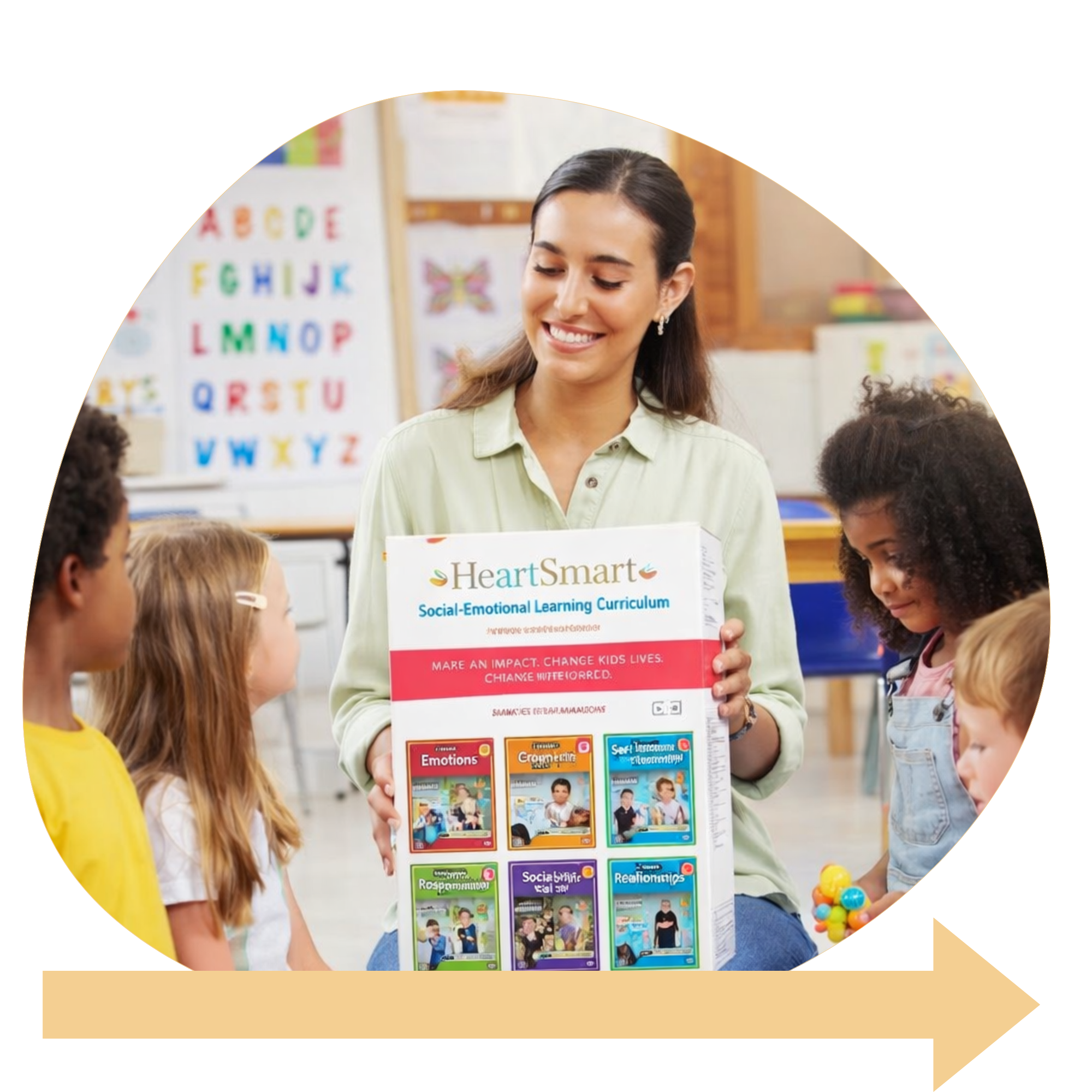
HeartSmart Year-Long SEL Curriculum

HeartSmart provides structured, sequential lessons built around the five CASEL competencies:

• Self-awareness
• Self-management
• Social awareness
• Relationship skills
• Responsible decision-making

At this age, emotional skills benefit from direct instruction and repeated practice—just like early literacy skills.

HeartSmart provides a full-year roadmap that helps children learn, practice, and strengthen these skills through consistent lessons and activities.

If you're looking for a clear place to begin teaching emotional skills, HeartSmart is the starting point.

GET HEARTSMART NOW

2. Build the Environment

Calming Corner Bundle

A calming corner gives children a safe space to pause, regulate, and reset when emotions become overwhelming.

It is not a consequence space. It is a teaching space. With visual supports and calming tools, children learn how to:

• Notice when big feelings are rising
• Pause before emotions take over
• Use simple calming strategies
• Return to activities feeling more in control

When used consistently, a calming corner helps children build the lifelong skill of emotional regulation.

Before

After

Use the left and right arrow keys to navigate between before and after photos.

3. Reinforce Through Practice

Support Materials


At this age, emotional skills strengthen through repetition and visual supports.

These tools extend learning beyond the lesson and into everyday routines. Inside the Vault, you can layer these supports to create consistency across home, classroom, or therapy settings.

Social Story Bundle

Social Story Bundle

11 social stories that cover common challenges such as handling anger and anxiety, friendships, being honest, and understanding social cues.

Breathing Cards

Breathing Cards

24 breathing cards that teach young learners simple breathing techniques to calm their bodies and reset during big feelings.

Routine Charts

Routine Charts

Visual routine charts that help young learners understand daily expectations, build independence, and move smoothly through everyday routines.

Feeling Mats

Feeling Mats

26 colorful posters, matching feelings mats, and flashcard games that help young learners explore, name, and understand their feelings.

emotional wellness vault (2000 x 2000 px) (9).png__PID:8743b3c0-23da-49a6-a36a-8ec7c352f19b

Want the Complete Emotional Learning System?

Everything on this page — plus resources for older age groups — is included inside the Emotional Wellness Vault.

Instead of purchasing tools individually, the Vault gives you access to the full library of emotional learning resources for ages 4 through the teen years.

explore the emotional wellness vault

Why This Stage Matters

Emotional skills developed before age seven strongly influence:

• School readiness
• Peer relationships
• Behavioral patterns
• Academic engagement

When children build regulation skills early, later stages become easier to navigate.

This is the starting point of the developmental pathway.

Explore the Ages 4–6 tools below to begin building a strong emotional foundation for your child, classroom, or practice.

Building Coping Skills & Emotional Strength

Next Stage: Ages 7-10

As children move into the early elementary years, emotional learning shifts from basic awareness to coping skills and problem-solving. We’ve built a system to help kids develop these skills step by step.

Build Emotional Skills That Grow With Them

Not Sure Where to Start?

Start Where Your Child Is.

Ages 4-6

Learning to name feelings & calm the body, including:

  • Calm Down Corner
  • Feelings Charts
START FOUNDATIONS

Ages 7-9

Connecting feelings, behavior & coping skills, including:

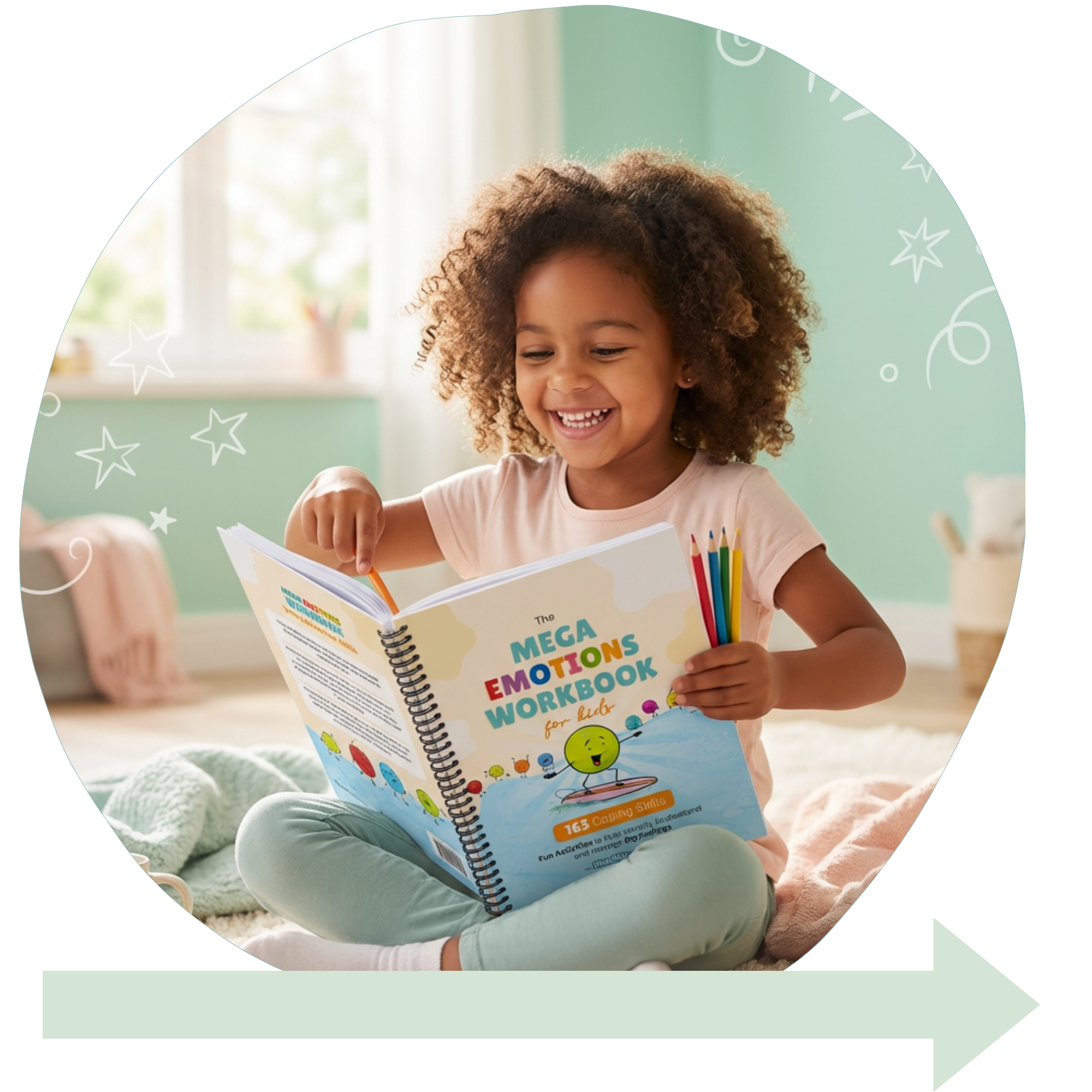
  • Mega Emotions Workbook
  • Coping Skills
BUILD COPING SKILLS

Ages 10-12

Handling frustration, change & problem solving, including:

  • Flexibility Toolkit
  • Plan B Resources
STRENGTHEN FLEXIBLITY

Teens

Managing stress, identity & emotional pressure, including:

  • Teen Mega Emotions
  • Teen Flexibility Kit
SUPPORT TEEN YEARS